

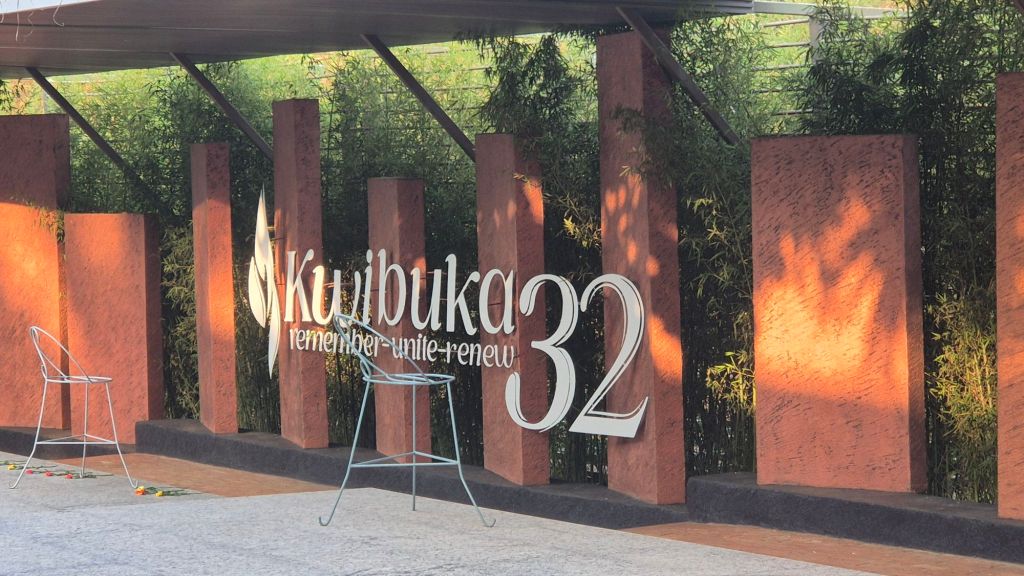
The Rwandan genocide started on 7th April 1994, when there was an intense 100 days of bloodshed and atrocities against the Tutsi minority. The trigger for these murders and rapes was the assasination of the Rwandan President Habyarimana, but the evidence is that the subsequent killings were preplanned and premeditated.
There are many factors that lead to the genocide- colonial influences, such as the Belgians instigating a divisive national identity card with identification of Hutu or Tutsi, tribal tensuons, the UN failing to honour the Arusha peace agreement, or to listen to Lieutenant General Dallaire’s advice on the ground, the international community not taking the cries of the Rwandan people seriously. The list could go on.
After the President’s helicopter went down, road blocks were set up, Hutu militias started searching houses looking for Tutsis who were accused of the assassination, neighbours macheted neighboura, and there was a devastating frenzy of violence. Some moderate Hutus tried to shield Tutsis, but were often killed as a result. Films like Hotel Rwanda give a flavour of what these days were like- an apocalypse of vicious hatred and barbarism. It is estimated that a million people died in these 100 days, with many people missing, and their bodies lacking any form of identification or burial. The numbers of dead were too many to count, and the individual stories harrowing in the extreme. Many fled the country and went to refugee camps across the border.
So in the years after the genocide, the focus was on how to honour the dead, how to pursue justice and to forgive. The government of Paul Kagame – the former RPF leader- began a programe of rebuilding. The UN’s International Criminal Tribunal for Rwanda, the Rwandan court system, and the community led Gacaca courts sought to bring justice for the survivors.
Yesterday I visited the Kigali Genocide Memorial, where 250,000 bodies are buried. The permanent exhibition gives a poignant, detailed and horrific account of the events leading up to the genocide, and of the genocide itself.
This is a quotation from one of the survivors ‘There will be no humanity without forgiveness, there will be no forgiveness without justice, but justice will be impossible without humanity.’ It is so complex, and the wounds are deep, but people are searching for a way forward.
In Ephesians 4:32 Paul writes “Be kind and compassionate to one another, forgiving each other, just as in Christ God forgave you.”
This is a beautiful teaching, to be kind and compassionate. We need more of this in the world. But how do we forgive? Remembering how much Jesus Christ has forgiven our sins is a great starting place, for this motivates us to forgive. The meaning of forgiveness is that we let go of hatred in our hearts, not necessarily that we become the friend of the person who hurt us- and they are still accountable for their actions. Letting go of ill will is one thing, but learning to trust again is a whole different thing.
In the last few days I have had the privilege of listening to genocide survivors, people who have often lost their spouses and many of their children. Their stories are harrowing, the emotions often raw even after all this time. Yet in the midst of this, you meet many people who mourn the violent history of the past, but also somehow find the courage to try to let go of past betrayals and to seek to rebuild. There is generational damage, but also a desire to ask God to help them. The work of Comfort International supports this societal and individual healing process in its projects with genocide survivors, street children and many other ministries. Sometimes the work of forgiveness starts with practical action, with creating safe places to tell stories, to connect with God, self and others. It takes a long time, there can be setbacks and misunderstandings, but it is the only road to healing. May we all have courage to pursue paths of peace.
Eternal Father, we seek to pursue paths of peace, but when there is violence, hurt and betrayal, it is so hard – the wound is so very deep. Lord Jesus on the cross, you said Father forgive, for they do not know what they are doing. Lord Jesus today we pray that all people would gave a desire to forgive, and that this would help them heal. We recognise that the perpetrator is still accountable for their actions, and we leave this with you. Meantime holy spirit, soften hard hearts, enable confession and accountability, forgiveness and freedom. We thank you for the example of many brave genocide survivors, and pray that You would show us how to live, with compassion and forgiveness as central to our lives. Give us wisdom we pray, Amen.

